Laser Bioanalytics LLC is dedicated to the development of cutting edge analytical instrumentation for biomedical applications. The company was founded in 2017 in Baton Rouge by Dr. Kermit K. Murray, Emeritus Professor of Chemistry at Louisiana State University. Dr. Murray received his doctorate from the University of Colorado in Chemical Physics and has over 40 years experience in instrument development. The company moved to Boulder, Colorado in 2026.
Seed Funding
In his academic positions, Dr. Murray participated in three Small Business Innovation Research (SBIR) and one Small Business Technology Transfer (STTR) projects in Phase I and Phase II. He is currently PI in a Phase I award to Laser Bioanalytics LLC.
Photochemical Tissue Modification for MALDI Mass Spectrometry Imaging
The goal of this project (R43GM156259) that started in 2024 is to develop a new device for patterned photochemical modification of lipids in tissue to enhance structure determination by imaging mass spectrometry. The proposed system uses pulsed ultraviolet and visible laser beams to drive photochemical reactions in tissue that allow the structure and distribution of lipids in tissue sections to be determined.

SBIR Legacy
The origins of Laser Bioanalytics go back more than a quarter century to the early days of pulsed infrared (IR) lasers for mass spectrometry. The first projects were aimed at small and efficient nanosecond pulsed IR lasers for mass spectrometry. Other projects were aimed at coupling these infrared lasers to ion mobility mass spectrometry and with atomic force microscopy for ultra-precision laser ablation microsampling.
A Compact Turnable Infrared Laser for MALDI MS
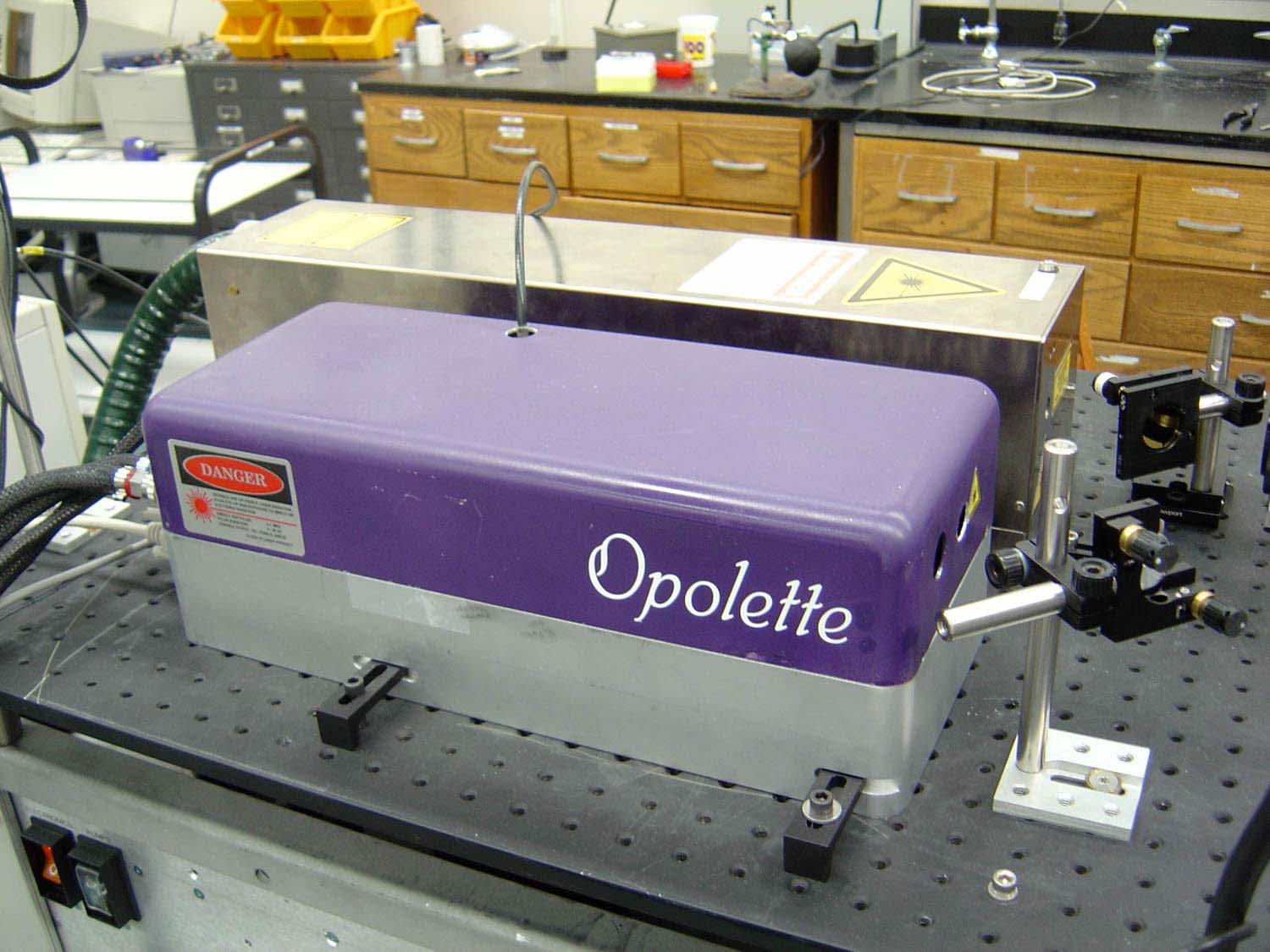
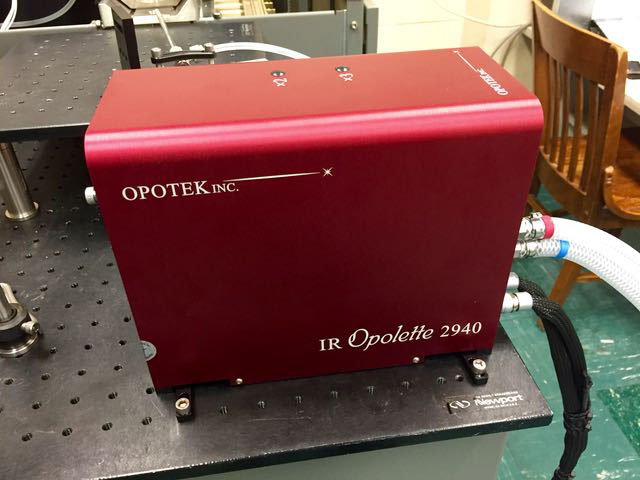
The goal of this STTR project (R41/R42 RR015134) that ran from April 2000 to June 2002 was to develop compact, inexpensive, and tunable infrared (IR) laser for use with matrix-assisted laser desorption ionization (MALDI) mass spectrometry. This was a collaboration between the California laser company OPOTEK and Dr. Murray at Emory University and later Louisiana State University.
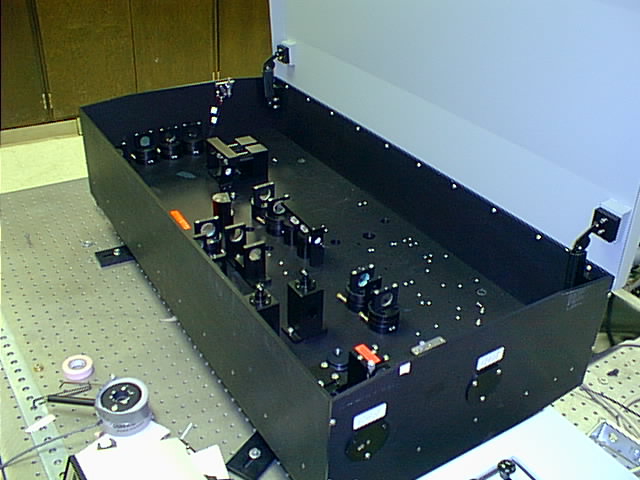
The motivation for this project was to create a small nanosecond pulsed infrared laser for ablation and ionization with mass spectrometry analysis. Dr. Murray initially used a broadband version of the Mirage 3000 laser (developed by University of Colorado alumnus Dean Guyer) for infrared matrix-assisted laser desorption ionization (MALDI) mass spectrometry. However, he realized that the large size and relatively high cost of the Mirage 3000 would limit its use with mass spectrometry. The modest energy, beam quality, and tunability requirements for laser ablation allowed for significant size reduction while maintaining the capabilities needed for direct ionization, laser ablation post-ionization, and laser ablation microsampling.
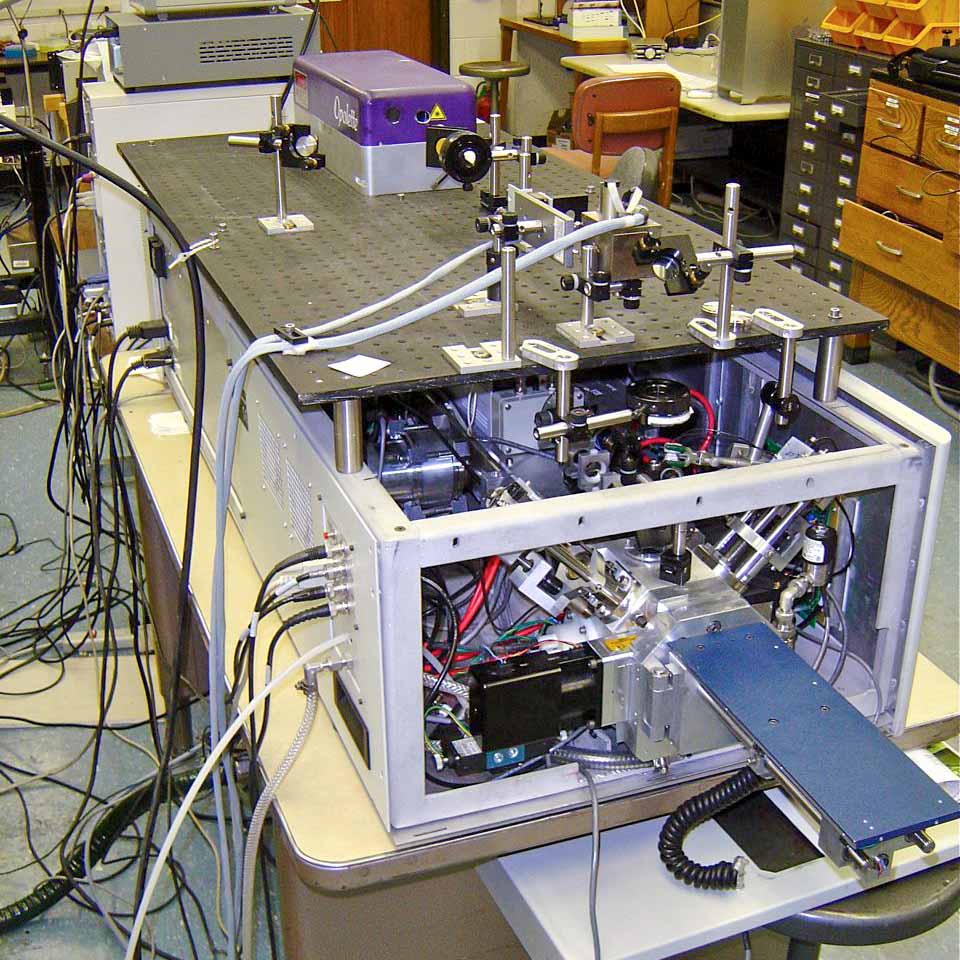
The system developed under this project was commercialized as the IR Opolette and in its most recent version, the Opolette UX10210. Publications and presentations using this laser can be found here.
A High-Repetition-Rate IR Laser for Mass Spectrometry
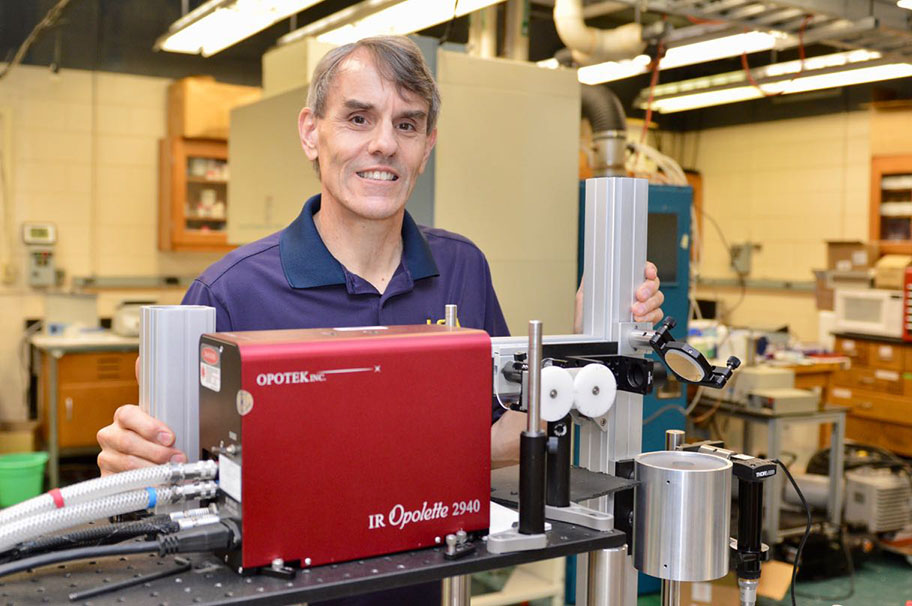
The goal of this SBIR research program (R43/44 RR019101) was to develop a high-repetition-rate tunable IR laser system for high-throughput and high-sensitivity IR MALDI applications. This second project in collaboration with OPOTEK ran from 2004 through 2007. The laser developed in this project was commercialized as the IR Opolette HR.
Infrared Laser Desorption Ion Mobility Mass Spectrometer
The goal of this research program (R43/44 RR020238) from 2004 to 2009 was to develop an infrared laser desorption ionization ion mobility mass spectrometer (IR-LDI IMMS) for application to the analysis of biomolecules in complex systems such as direct tissue studies and the identification of the components of bioaerosols. This project was a collaboration between Dr. Murray at LSU and Ionwerks in Houston, Texas.
Murray group publications using ion mobility mass spectrometry can be found here.
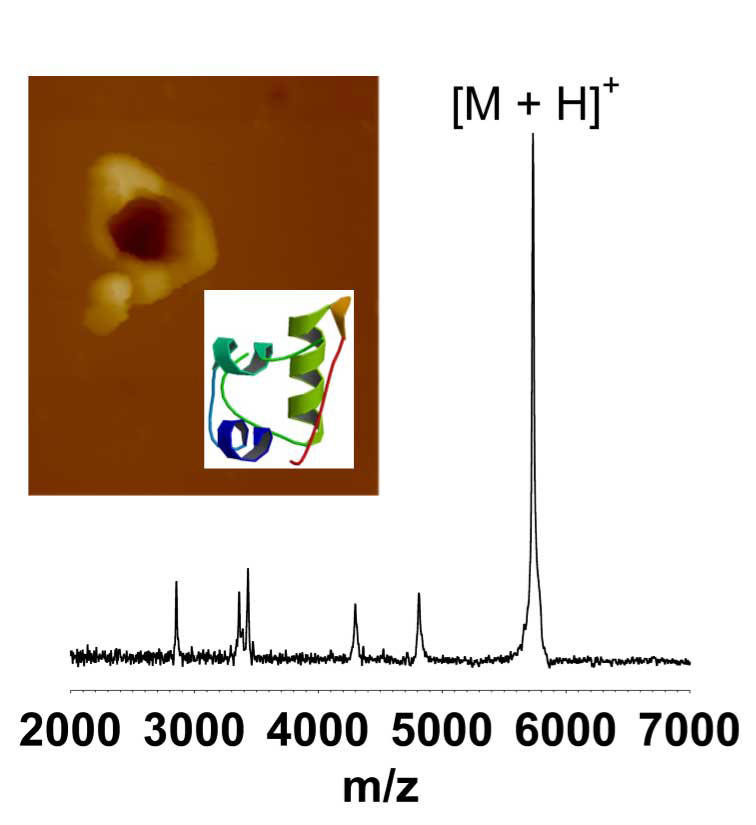
Single Cell chemical Imaging via Nanoscale IR Ablation Mass Spectromety
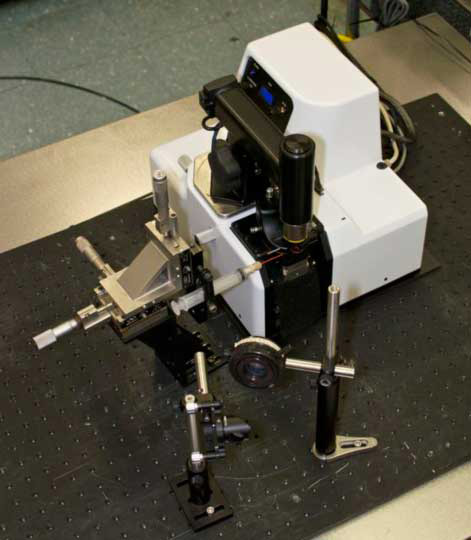
The goal of this STTR project (R41GM106454) was to to develop a new technique for nanoscale Mass spectrometry imaging based on AFM based tip enhanced IR ablation (nanoIR-MS) and apply the technique towards the application of single cell imaging. This was a STTR collaboration with PI Dr. Kermit Murray (then professor of chemistry at LSU) and Anasys Instruments of Santa Barbara, California. The project completed Phase I in 2013 and 2014 but did not proceed to Phase II due to the acquisition of Anasys by Bruker.